
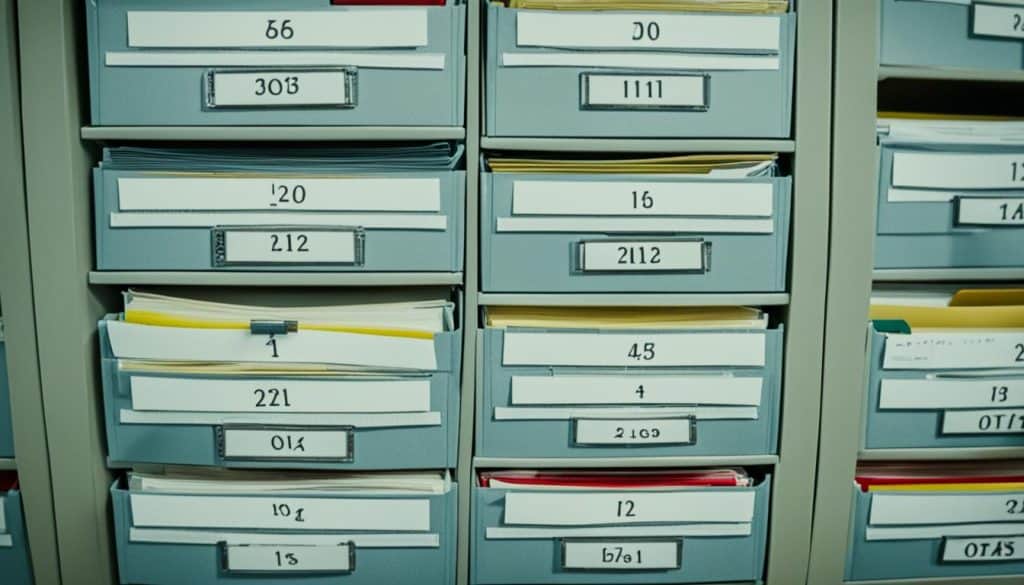
Maintaining Proper Documentation for Legal Purposes
In the legal world, keeping accurate records is key. It can change the outcome of a case. Learning how to document and keep records well is a must for legal professionals.
Keeping up with compliance and managing documents is vital. It helps protect you and your clients. At Integrity Now Insurance Brokers, we know how important it is to keep detailed records for legal reasons.
Keeping records in order is crucial in today’s fast-moving legal scene. Using strong document management systems makes sure you have all the info you need. This can greatly affect the results of legal cases.
Key Takeaways
- Proper documentation is crucial for legal proceedings
- Accurate record keeping can influence case outcomes
- Compliance documentation protects interests
- Organized document management is essential
- Secure record-keeping practices safeguard sensitive information
The Importance of Proper Documentation in Legal Matters
Proper documentation is key in legal matters. It acts as a defense against malpractice claims. It also proves you gave advice, followed client instructions, and had important talks. Keeping detailed files is crucial for following the law and avoiding disputes.
Keeping evidence safe is a big part of documenting things right. By keeping clear records, you make a strong trail of what happened. This helps your case and shows you’re professional and careful.
Integrity Now Insurance Brokers knows how important detailed documentation is in law. Keeping good records can prevent big legal problems and protect your good name. Here are the perks of documenting things well:
- Protects against malpractice claims
- Provides evidence of client interactions
- Ensures legal compliance
- Creates reliable audit trails
- Supports efficient case management
| Documentation Element | Importance |
|---|---|
| Client Instructions | Prevents misunderstandings and disputes |
| Advice Given | Protects against malpractice claims |
| Important Conversations | Provides context for decisions made |
| Case Timeline | Ensures efficient legal proceedings |
Putting documentation first builds a strong base for your legal work. This way, you protect yourself and help your clients better. It also keeps your professional reputation shining.
Understanding the Role of Documentation in Process Serving
Documentation is key in process serving, making sure legal proceedings go smoothly. It keeps the legal system fair and on track.
Defining Process Serving
Process serving means delivering legal papers to people in a lawsuit. It’s important to make sure everyone knows about the legal action against them. Keeping accurate records of this is crucial for the legal process.

Upholding Due Process
Good documentation in process serving is key for due process. It shows that everyone got their legal notices. This lets them respond and take part in the legal process. Without good records, cases might get delayed or thrown out, hurting the justice system.
Ensuring Efficient Legal Proceedings
Good documentation makes legal proceedings run better by keeping clear records. It shows when service was tried and when it was successful. This helps courts and lawyers keep track of cases and make smart choices.
| Aspect | Impact of Documentation |
|---|---|
| Case Timeline | Reduces delays by providing proof of timely service |
| Legal Validity | Supports the enforceability of court orders and judgments |
| Appeals Process | Prevents overturns based on improper service claims |
| Cost Efficiency | Minimizes repeated service attempts and associated expenses |
Process servers keep detailed records. This helps make the legal system fair and efficient for everyone involved.
Key Components of Legal Documentation
Legal documents are key for keeping records, following laws, and helping in court cases. It’s important for lawyers and their clients to know these main parts.
Engagement letters explain what the lawyer will do and what you should expect. They cover services, costs, and what both sides need to do. Non-engagement letters keep lawyers safe from claims from people they didn’t help.
Disengagement letters end the lawyer-client relationship. This lowers the chance of confusion. Keeping track of what the client wants and what the lawyer says is very important if there’s a disagreement.
Writing down important talks and big events helps keep a clear timeline of the case. This helps with court cases and following the law.
| Document Type | Purpose | Importance |
|---|---|---|
| Engagement Letter | Define scope of representation | Prevents misunderstandings |
| Non-engagement Letter | Decline representation | Protects against claims |
| Disengagement Letter | End attorney-client relationship | Reduces liability risks |
| Client Instructions Record | Document client directives | Supports litigation efforts |
| Lawyer’s Advice Record | Document legal guidance | Aids regulatory compliance |
Keeping these important documents helps lawyers keep good records, follow the law, and support cases in court.
Best Practices for Maintaining Proper Documentation for Legal Purposes
Keeping accurate records is key in legal cases. Follow these tips for managing documents and keeping records right.
Implementing Consistent Record-Keeping Systems
Make a standard way to organize your legal documents. This makes finding and getting to files fast. Use clear labels and sort documents by type, date, or client. A tidy system saves time and cuts down on mistakes.

Utilizing Technology for Documentation
Use digital tools to make record keeping easier. Tools like electronic signatures, GPS tracking, and cloud storage make documents more accurate and secure. They also make sharing and getting to files easier, which helps in legal cases.
Ensuring Accuracy and Completeness
Check and update your records often to keep them right. Make sure all info is correct before filing. Having complete and correct documents is key to protecting your clients and business in court. Integrity Now Insurance Brokers, an independent insurance agency, knows how crucial detailed record keeping is in insurance.
- Implement a consistent filing system
- Use digital tools for better document management
- Regularly review and update records
- Ensure all information is accurate and complete
The Role of Professional Process Servers in Documentation
Professional process servers are key in keeping legal documents in order. They make sure all legal papers are given out right and on time. Their job is more than just delivering papers. They do important work that helps the legal system run smoothly.
When you hire professional process servers, you get experts who:
- Keep detailed records of all service attempts
- Document exact times, dates, and locations of service
- Prepare affidavits of service with precision
- Use advanced technology for real-time tracking and reporting
These pros know how vital accurate documentation is for the law. They follow strict rules to make sure everything is clear and correct. This careful work helps avoid cases being thrown out because of bad service or missing documents.
Professional process servers use the latest technology to make their work better. This tech helps them update things fast, keep info safe, and find documents easily. This modern approach makes them more efficient and reliable.
By working with professional process servers, legal teams can focus on winning cases. They make sure all the legal steps are followed. This teamwork between lawyers and process servers builds a solid base for winning cases, thanks to good documentation.
Legal Ramifications of Poor Documentation
Poor documentation can lead to big legal problems. Not keeping good records might cause cases to be thrown out, lead to financial losses, and hurt your reputation. It’s important for everyone to know these risks.

Potential Case Dismissals
If your documents are not complete or correct, your legal case could be at risk. Courts might drop your case because you don’t have enough evidence or keep records wrong. This can be very bad, especially if you really have a strong case.
Financial Implications
Poor documentation can cost you a lot of money. You might have to pay big fines, penalties, or legal fees. Sometimes, you could miss out on getting back what you lost or have to pay more because you didn’t keep good records.
- Increased legal costs for retrials
- Potential loss of compensation
- Fines for non-compliance
Reputation Damage
Poor documentation can really hurt your professional reputation. People, including clients and partners, might not trust you to handle important tasks. This can lead to losing business and having a bad impact on your career or company for a long time.
Integrity Now Insurance Brokers is an independent insurance agency that knows how important good documentation is. Keeping detailed and correct records helps you avoid these risks and protect your legal and professional standing.
Document Retention Policies and Legal Requirements
Managing documents is key in legal work. It ensures you follow the law and stay compliant. Having a strong retention policy shields your firm and clients from future problems.
When making a document retention policy, think about these important points:
- Identify types of documents you handle
- Determine how long to keep each document
- Choose safe ways to store documents
- Plan when to destroy old files
- Teach staff how to handle documents correctly
Documents need different keeping times. Here’s a basic guide:
| Document Type | Retention Period |
|---|---|
| Client files | 7-10 years after case ends |
| Financial records | 7 years |
| Personnel files | 7 years after job ends |
| Corporate records | Forever |
These are just basic rules. Legal needs can change based on where you are and what you do. Always check and update your policy to keep up with new laws.
Protecting Client Confidentiality in Documentation
Keeping client information private is key when you work with legal documents. As a legal expert, you must use secure ways to store sensitive info. This not only builds trust but also makes sure you follow privacy laws.
Implementing Secure Storage Systems
Use encrypted digital storage to keep client data safe. Limit who can see confidential documents with passwords and more than one way to prove who you are. These steps stop unauthorized people from getting in and keep client info private.
Handling Sensitive Information
Be careful with sensitive info. Don’t talk about client stuff in public. When you’re done with physical documents, shred them. Teach your team how to handle documents safely to lower the chance of data leaks.
Compliance with Privacy Laws
Keep up with laws about protecting data in your field. Follow the American Bar Association and state rules on client privacy. Doing regular checks can make sure you’re following the latest privacy laws. This protects your clients and your firm.


