
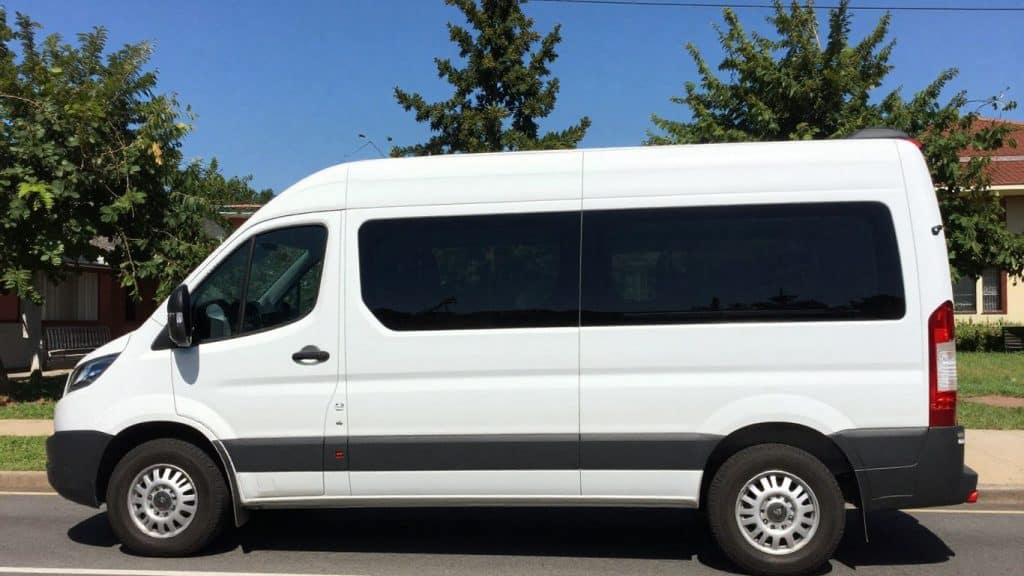
Church Van Insurance: 15-Passenger Van Coverage & Cost
When insuring a 15-passenger van for your church or ministry, keep these important points in mind. Understanding these factors can help you budget correctly and find the best coverage.
Key Takeaways
-
The way you use the van (personal trips vs. church events vs. paid transport) is the biggest factor in insurance cost.
-
More seats mean more potential for injuries in one accident, which usually leads to higher insurance limits and costs.
-
The drivers using the van, their history, and how many there are significantly impact your premium.
-
Using the wrong type of insurance policy for your van’s actual use can cause major problems if you need to file a claim.
-
Location matters; where the van is parked and driven affects the price you’ll pay for coverage.
Why 15-Passenger Van Insurance Often Costs More
So, you’re looking at insuring a 15-passenger van, maybe for your church or a community group, and you’ve noticed the quotes are a bit higher than you expected. It’s not just you. Insurers tend to see these larger vans as a bigger risk, and that translates to a higher cost of insuring a church bus or any similar vehicle.
Think about it from the insurance company’s point of view. A standard car might carry a few people. A 15-passenger van, well, it can carry up to fifteen. That means if something goes wrong, the potential for multiple injuries and claims skyrockets. One accident could easily lead to a dozen separate bodily injury claims, not just one or two. This increased exposure is a major reason why insurers often require higher liability limits, and why the 15 passenger van liability coverage needs to be robust.
Here’s a quick breakdown of why the price tag can be higher:
-
More Seats, More Risk: The sheer number of passengers means that a single incident can result in numerous injuries, significantly increasing the insurer’s potential payout.
-
Frequent Use & Multiple Drivers: These vans are often used for regular trips, events, or routes, and frequently driven by different people within an organization. Each additional driver adds another layer of risk, and insurers look closely at the driving records of everyone who will be behind the wheel.
-
Higher Liability Limits Needed: Because of the increased risk of multiple injuries, policies often need higher liability limits, sometimes up to $1 million or more, to adequately cover potential claims. This is a standard requirement for many commercial operations, and you can find more details on commercial van insurance cost, coverage, and requirements.
Insurers look at what a vehicle can do. A 15-passenger van has the capacity to transport a large group, often with various drivers and on scheduled routes. This potential for widespread impact in an incident is a key factor driving up insurance costs compared to smaller vehicles.
It’s not just about the vehicle itself, but how it’s used. When you’re transporting a full van of people, the stakes are just higher. This is why it’s so important to get accurate quotes that reflect your actual usage and to compare van insurance quotes (2026): compare costs, coverage, and companies to make sure you’re not overpaying, but also not underinsured.
2026 Cost Benchmarks: Average 15 Passenger Van Insurance Cost
Figuring out the cost for insuring a 15-passenger van in 2026 isn’t as simple as looking up a single number. It really depends on how you plan to use the van. Insurers look at this very differently, and it creates distinct pricing categories. The biggest factor influencing your premium is whether the van is for personal use, commercial use (but not for hire), or commercial use where you’re charging for rides.
Here’s a general idea of what you might expect to pay, broken down by usage:
-
Personal Use: If you’re lucky enough to find a carrier that will insure a 15-passenger van for personal use (many won’t), you’re looking at a range of about $150 to $400 per month. This is the lowest tier, but it’s often hard to qualify for.
-
Commercial Not-for-Hire: This is common for churches, non-profits, or businesses that use the van for their own operations but don’t charge passengers. Expect costs to be between $250 and $900 per month. This category often requires higher liability limits to meet contract needs.
-
Commercial For-Hire: If you’re using the van as a shuttle service, for a livery business, or any operation where you charge people for rides, the costs jump significantly. You’re likely looking at $600 to $2,500 or even more per month. This is due to the higher exposure and the need for very high liability limits.
|
Use Type (Most Common) |
Typical Monthly Range |
Typical Annual Range |
|---|---|---|
|
Personal / Family Use |
$150 – $400 |
$1,800 – $4,800 |
|
Commercial Not-for-Hire |
$250 – $900 |
$3,000 – $10,800 |
|
Commercial For-Hire (Shuttle) |
$600 – $2,500+ |
$7,200 – $30,000+ |
It’s important to remember these are just benchmarks. Your specific location, the driving records of everyone who will operate the van, how many miles you drive annually, and the exact liability limits you choose will all play a big role in the final price. Getting quotes from specialists who understand church insurance can help you get a more accurate picture.
Insurers see 15-passenger vans as a higher risk because a single accident can involve many people, leading to multiple injury claims. This means they often require higher liability limits than a standard car, which naturally increases the premium. It’s not just about the number of seats; it’s about the potential for severe, multi-party claims.
Personal Vs Commercial: Which Policy Type Applies To Your 15-Passenger Van
Deciding if your 15-passenger van should be insured with a personal policy or a commercial one can feel confusing, especially for churches and religious groups. The bottom line is that how you use the van—not how it “feels”—decides which kind of insurance you need.
Here’s what matters:
-
If the van is just for family errands or vacations, and you’re the only driver, a personal policy might be available—but many carriers don’t even cover 15-seat vans on personal lines.
-
If your van is owned by a church, and it’s used to transport groups (members, kids, mission trip teams) or has multiple drivers, you’ll almost always need a commercial policy. That’s because this falls under the religious organization vehicle policy.
-
Group transportation insurance for churches is considered higher risk, so insurers require commercial coverage whether or not you’re charging money for rides.
|
Policy Type |
Typical When… |
Major Triggers |
|---|---|---|
|
Personal |
Single-family use, limited drivers |
Rare for 15-passenger vans |
|
Commercial (Not-for-Hire) |
Church, nonprofit, or business group transport |
Multi-driver, organizational use |
|
Commercial (For-Hire) |
Paid shuttle/services |
Any compensation, scheduled routes |
Some of the common triggers that push you into needing a commercial policy include:
-
The van is titled or registered to a church or nonprofit
-
You have multiple approved drivers
-
The van is used for regular group trips (weekly or even occasional events)
-
Contracts or facilities require ‘additional insured’ status or higher liability limits—common for church activities (like volunteer carpooling or mission trips)
It’s a smart idea to double-check with your insurance provider about how your van is being used before getting too far. Many churches get tripped up by thinking a personal policy is enough, but the way group transportation insurance for churches is classified, good coverage almost always means a commercial policy. If unsure, seek advice from someone who understands these vehicles, such as a qualified church insurance agent, before settling on a policy.
What Impacts 15 Passenger Van Insurance Cost The Most
When you’re figuring out the cost for your 15-passenger van insurance, a few big things really move the needle. It’s not just about the van itself, but how it’s used and who’s driving it. The biggest factor is usually the liability limits you choose. Think about it: with 10 to 15 people on board, one accident could lead to a lot of injury claims. Because of this, many places you might drive, or events you might attend, will require you to have higher liability limits, often around $1 million. This is a pretty standard requirement for commercial accounts.
Beyond just the dollar amount of coverage, the quality of your drivers plays a huge role. Insurers look closely at driving records. Things like speeding tickets, at-fault accidents, and how long someone has been driving all factor into the price. It’s not uncommon for one bad driving record to impact your premium more than the vehicle itself. This is why having a solid process for checking driver histories is so important for commercial van insurance cost.
Here’s a breakdown of what really affects your premium:
-
Liability Limits: As mentioned, this is the maximum the insurance company will pay out for damages or injuries you cause. Higher limits mean higher premiums, but they offer better protection.
-
Driver Roster Quality: Insurers assess the driving history of everyone who will be operating the van. A history of violations or accidents will increase costs.
-
Annual Mileage and Radius of Operation: How much you drive and how far you typically go matters. Vans used for long-distance travel or extensive daily routes will generally cost more to insure.
-
Usage Type: Whether the van is used for personal trips, church events, or as a shuttle service significantly impacts the price. For-hire services usually face the highest premiums.
-
Vehicle Age and Condition: While not always the top factor, older vans or those in poor condition might cost more to insure due to potential mechanical issues.
Insurers look at a 15-passenger van and see more than just a vehicle; they see the potential for multiple injury claims in a single incident. This higher exposure means they price it differently than a standard car or even a smaller van. It’s about managing the risk associated with carrying a larger group of people, often with different drivers and on varied schedules.
Finally, consider how the van is handled day-to-day. Are drivers familiar with the routes? Is the van used for frequent stops or in busy parking lots? Insurers factor in these real-world conditions, including potential for night driving or operating in unfamiliar areas, which can also influence the final cost. For organizations like churches, understanding these factors is key to budgeting accurately.
Real-World Price Scenarios For A 15-Passenger Van
If you’re comparing insurance quotes for a 15-passenger van, what you pay can land almost anywhere on the map depending on how the van is used, who’s driving, and how many miles you rack up each year. These vans are not treated the same way as a regular family minivan, especially when it comes to insurance.
Here’s a quick look at typical pricing scenarios:
|
Scenario |
Likely Monthly Cost |
Example Details |
|---|---|---|
|
Personal/Family Use |
$150–$350 |
Suburban area, mostly one driver, average mileage |
|
Church/Nonprofit (Not-For-Hire) |
$300–$1,000 |
Multiple drivers, higher limits, group outings |
|
For-Hire Shuttle/Livery |
$600–$2,500+ |
Paid passenger trips, daily use, lots of miles |
Some things that really swing the price:
-
Your use type: Personal, nonprofit/business, or shuttle-for-hire
-
Number and driving history of drivers
-
How much and where you drive (rural vs city, day vs night)
-
Coverage options: liability limits and physical damage deductibles
Just as a perspective check, church vans usually fall in the “commercial not-for-hire” group, and rates there are pretty wide-ranging. Pricing for church-owned passenger vans reflects extra risks tied to group outings, multiple drivers, and higher liability needs. If you’re researching safe, tailored protection for church activities, take a peek at some specialized guidance for insurance policies made for churches.
It’s common to get frustrated with these price swings. You might see a low quote, but one driver’s record or one extra trip per week can push you into a totally different rate bracket.
Bottom line: Before shopping, pin down how your van gets used week to week—because if insurers sense a mismatch between what you say and what actually happens, you’ll either miss out on needed coverage or get hit with big out-of-pocket costs later.
Finding Coverage: Provider Limitations, Eligibility Issues, And Best-Fit Options
Finding insurance for a 15-passenger van isn’t always straightforward. Many insurance companies are hesitant to cover these larger vehicles, especially if they’re used for anything beyond very limited personal trips. This is because the potential for multiple passengers means a higher risk if an accident happens. Some insurers simply won’t offer policies for them at all, or they might have very specific rules about who can drive and how the van can be used.
This means you might get turned down by several companies before you find one that fits. It’s not personal; it’s just that their underwriting rules don’t align with the risks associated with a 15-passenger van.
Here’s a breakdown of what to expect and how to approach finding the right coverage:
-
Personal Use: If you’re a large family using the van for vacations and personal errands, you might be able to get coverage on a personal auto policy. However, many standard insurers still won’t allow it. You’ll need to be upfront about the vehicle’s size and usage. Some independent agencies can help find specialty markets that cater to these needs, even for personal use.
-
Church or Nonprofit Use: This is a common scenario, but it almost always requires a commercial auto policy. Even if volunteers are driving, the transportation of groups for organizational purposes is considered business use. Policies for religious organizations often have specific considerations.
-
For-Hire Transport: If you’re using the van to transport paying passengers, like a shuttle service, this is considered the highest risk. You’ll need a specialized commercial passenger market, and expect higher premiums and stricter requirements.
To get accurate quotes quickly, you’ll need to have certain information ready. Insurers need more than just the vehicle’s VIN. They want to know about the drivers, how the van will be used, and where it will be kept. This helps them understand the actual exposure.
Information to Prepare for Quotes:
-
Vehicle Identification Numbers (VINs) for all vans and the ZIP code where they’re primarily kept.
-
A list of all potential drivers, including their dates of birth, states where they hold licenses, and how many years they’ve been licensed.
-
An estimate of annual mileage and the general area of travel (local, regional, etc.).
-
A clear description of the van’s intended use (e.g., transporting youth group to events, airport shuttle, daily routes).
-
Details about your previous insurance, including any claims history (loss runs if you have commercial insurance).
-
Your desired liability limits and the deductibles you’re comfortable with for physical damage coverage.
-
Information on any contracts that require you to add other parties as
How Location Changes The Price
You know, where you park your van can really make a difference in what you pay for insurance. It’s not just about the state you’re in, but even the specific ZIP code matters a lot. Think about it: a van parked in a busy city might face more risks like theft or accidents compared to one in a quiet rural area. This is why insurers look closely at where the vehicle is primarily kept.
Different areas have different claim rates, repair costs, and even legal environments. For example, a densely populated urban area might see more fender-benders and higher rates for auto parts and medical care. On the flip side, while rural spots might seem cheaper, they could have their own issues, like increased chances of animal collisions or damage from severe weather.
Here’s a quick look at how location can play a role:
-
Urban Areas: Often higher premiums due to increased traffic density, higher theft rates, and more frequent accidents.
-
Suburban Areas: Generally moderate rates, balancing traffic with potentially lower crime and repair costs.
-
Rural Areas: Typically lower premiums, but can be affected by factors like distance to repair shops or weather-related risks.
The specific ZIP code where your van is garaged is one of the biggest factors influencing your insurance quote. It’s not just a random number; it reflects real-world risks that insurers use to set prices.
When you’re getting quotes, make sure you’re using the correct ZIP code for where the van will be parked most of the time. This detail is super important for getting an accurate price. It’s one of those things that can swing your premium up or down more than you might expect. If your church or organization operates in multiple locations, you’ll want to discuss this with your insurance agent to figure out the best way to handle it. For churches, understanding church property insurance can also be part of the overall picture for protecting your assets.
How To Lower 15 Passenger Van Insurance Cost
So, you’re looking to trim down those 15-passenger van insurance bills without leaving your church or organization exposed? It’s definitely doable, but it takes a bit of smart planning and consistent effort. Think of it like getting your own car to run smoother – regular maintenance and good driving habits pay off.
One of the biggest levers you have is controlling who drives the van. Setting clear driver qualifications and sticking to them is key. This means having a written policy that outlines things like minimum age, driving experience, and rules about using phones or other distractions. Regularly checking Motor Vehicle Reports (MVRs) for all potential drivers is also a must. It might seem like a hassle, but one bad driving record can really impact your nonprofit van insurance rates.
Here are some practical steps to consider:
-
Driver Vetting: Implement a process for checking MVRs when drivers are hired and at least annually. Document these checks.
-
Written Policies: Create and enforce a clear driver policy covering safe driving practices, prohibited behaviors (like texting), and pre-trip inspections.
-
Training: Offer regular training sessions on defensive driving and the specific needs of operating a large van.
-
Vehicle Maintenance: Keep up with regular maintenance. A well-maintained van is less likely to break down or be involved in an accident due to mechanical failure.
Choosing your deductibles wisely also plays a role. A higher deductible usually means a lower premium. However, make sure the deductible amount is something your organization can comfortably pay out-of-pocket if an incident occurs, without causing financial strain. You don’t want to save on premiums only to be unable to afford the deductible when you need it most.
Shopping around for quotes is important, but make sure you’re comparing apples to apples. Keep the coverage limits, deductibles, and listed drivers the same across different quotes. This way, you’re truly comparing prices for the same level of protection, not just different coverage levels.
If your organization operates multiple vans, you might find that bundling policies or looking into fleet discounts can also help reduce overall costs. It’s all about presenting a lower risk profile to insurers through good management and careful operations. Remember, consistent coverage without lapses is also vital; gaps can lead to higher rates down the line.
Frequently Asked Questions
Got questions about insuring those big 15-passenger vans? You’re not alone. It can get a little confusing, especially when you’re trying to figure out costs and what kind of policy you actually need. Let’s clear some things up.
Why do 15-passenger vans seem to cost more to insure than smaller vehicles?
It really comes down to the increased risk. These vans carry more people, meaning a single accident could involve more injuries and more potential for expensive claims. Plus, they’re often used for group transport, which insurers view differently than personal car use. Think about it: more passengers, more liability. It’s a simple equation for insurance companies.
Here are some common questions people ask:
-
What’s the difference between personal and commercial use for a 15-passenger van?
Personal use is for things like family road trips or errands. Commercial use is when the van is part of your organization’s operations, like transporting church members to an event or volunteers to a work site. Even if it feels like a personal vehicle, if it’s used for organizational activities, it likely needs commercial coverage. This is a big one for churches and non-profits; using a personal policy for business can lead to denied claims or policy cancellation. You can find more details on personal vs commercial policies. -
How much does insurance typically cost?
This is the million-dollar question, right? Costs vary a lot, but for 2026, you might see average annual premiums ranging from $2,000 to $5,000 or more. This depends heavily on factors like where you are, who’s driving, and how the van is used. A new 15-passenger van itself can cost between $40,000 and $60,000, so the insurance needs to reflect that value. -
What factors influence the price the most?
Several things play a big role: -
Can I get a discount?
Sometimes! Good driving records, safety features on the van, and choosing higher deductibles can help. Some insurers might offer discounts for specific safety programs or if you bundle your van insurance with other policies. Always ask your agent about potential savings. -
What if I have multiple vans?
If you operate two or more vans, it’s often considered a fleet. Insurers will look at your overall driver management, maintenance records, and the combined history of all vehicles. It’s important to have solid policies in place for driver selection and vehicle upkeep.
It’s really important to be upfront with your insurance provider about how you use the van. Misrepresenting usage can cause major problems down the road, especially if you need to file a claim. Being honest from the start helps ensure you have the right coverage in place.
-
Are there specific providers that are better for church vans?
Some insurance companies specialize in non-profit or church insurance, and they might be more familiar with the needs and risks associated with 15-passenger vans. It’s worth looking into specialty church insurance providers who understand these unique situations. Always compare quotes from a few different places to see who offers the best fit for your needs and budget.
Conclusion: Get A Quote That Matches Your Real Use
So, we’ve talked a lot about 15-passenger van insurance, covering why it can be pricey, what factors really move the needle on cost, and how to find the right policy. The main takeaway here is pretty simple: you need to be honest about how you’re actually using that van. Trying to sneak by with the wrong policy type, like using a personal policy for church group trips, can cause major headaches down the road. It’s not just about saving a few bucks now; it’s about making sure you’re covered when something unexpected happens.
Think about it this way:
-
Use Type is King: Whether it’s for personal family outings, church events, or a shuttle service, this is the biggest factor. A church or nonprofit using the van for ministry activities needs a different kind of commercial auto insurance than someone using it for occasional road trips.
-
Driver Details Matter: Who’s driving? How experienced are they? A clean driving record for all listed drivers is way more important than you might think. Some insurers are really strict on this, especially for passenger vehicles.
-
Location, Location, Location: Your ZIP code plays a surprisingly big role. Accident rates, theft, and even local legal costs can all influence your premium.
Getting the right quote means providing accurate information. Be ready to share:
-
Vehicle details (VIN, garaging ZIP code)
-
A full list of drivers (names, dates of birth, license info)
-
Estimated annual mileage and the typical driving radius
-
A clear description of how the van is used (e.g., transporting youth group, airport runs, etc.)
-
Desired liability limits and deductibles
Don’t just guess at these details. The more precise you are, the more accurate your quote will be. This helps avoid surprises later, especially if you need to file a claim. It’s better to pay a bit more for the correct coverage than to be underinsured when it counts.
Remember, many standard insurers shy away from 15-passenger vans. You might need to look at specialty providers who understand these types of vehicles. While Florida passenger van insurance can vary widely, the principles of accurate classification and honest usage descriptions apply everywhere. Taking the time to get it right upfront will save you time, money, and a lot of stress in the long run.
Conclusion: Get a Quote That Matches Your Real Use
Figuring out the right insurance for your church van, especially a 15-passenger model, can seem tricky. It’s not just about the vehicle itself, but how and where you use it. Remember, the type of trips you take, who’s driving, and how often you’re on the road all play a big part in the cost. Don’t guess your needs; talk to a specialist who understands the unique risks faced by religious organizations. Getting a quote that truly reflects how your van is used is the best way to make sure you have the right protection without overpaying. We’re here to help you find that peace of mind so you can continue your important ministry work.
Frequently Asked Questions
Why does insurance for a 15-passenger van cost more than a regular van?
It’s mostly because a 15-passenger van can hold a lot of people. If an accident happens, more people could get hurt all at once. This means the insurance company might have to pay out a lot more money for injuries. Because of this bigger risk, insurers often charge more to cover a van that carries so many passengers.
What’s the average monthly cost for church van insurance in 2026?
For a church or nonprofit using a 15-passenger van for regular activities, you might expect to pay somewhere between $250 to $900 each month. This really depends on things like where you are, how many drivers are listed, and how much you drive it. If you only use it for occasional personal trips, it might be less, but many insurance companies don’t allow that for these big vans.
Do I need commercial insurance for my church van?
Usually, yes. If the van is owned by the church or used for church activities, like taking members to events or on trips, it’s generally considered commercial use. This is different from using your personal car. Commercial insurance has higher limits to cover the risks associated with transporting groups for an organization.
What factors affect the price of church van insurance the most?
The biggest things that change the price are the amount of protection you choose (liability limits), who is allowed to drive the van and their driving records, how many miles you drive each year, and where the van is kept. For churches, having many approved drivers and using the van for regular trips often raises the cost.
Can I lower the cost of my church van insurance?
You can try to lower the cost by making sure you only have qualified drivers who are safe behind the wheel. This means checking their driving records and having clear rules for them. Also, keeping your insurance active without any gaps can help. Shopping around for quotes from different insurance brokers that specialize in church insurance can also reveal better rates.
What happens if my church van is in an accident?
If your church van is in an accident, the first thing to do is make sure everyone is safe and call for help if needed. Then, you’ll need to report the accident to your insurance company right away. They will investigate what happened and work with you to handle any claims, whether it’s for damage to the van or for injuries to passengers, based on the type of policy you have.


