
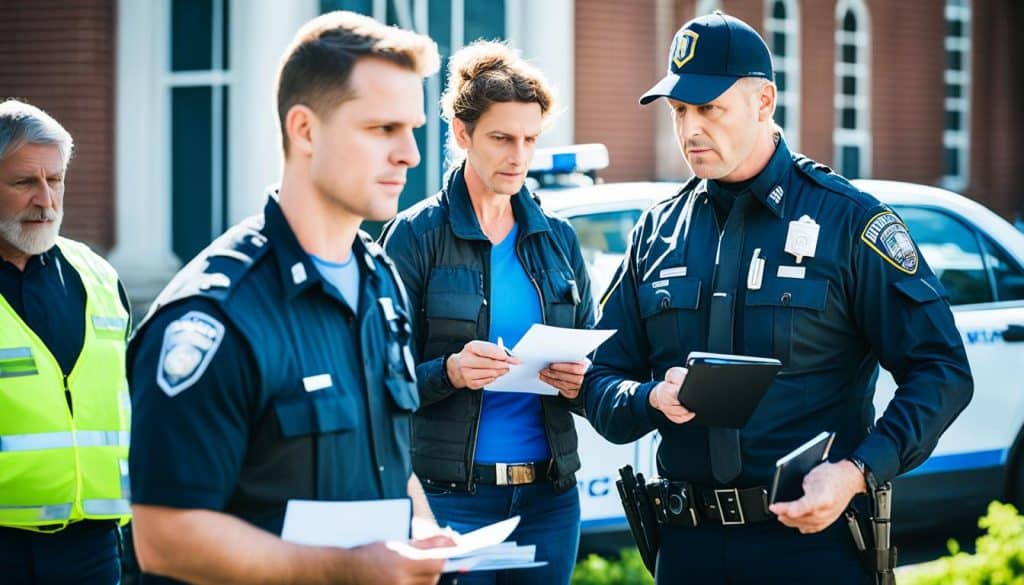
Church Event Security: Implementing Safety Measures
Churches are places where people come together to worship, find community, and seek spiritual guidance. In today’s world, making sure church events are safe is very important. When planning your next church event, think about keeping your congregation safe while still making everyone feel welcome.
Planning for church event security is more than just locking doors. It means having a plan for different emergencies, like health crises or natural disasters. By focusing on safety, you make a place where people can connect with God’s message without fear.
At Integrity Now Insurance Brokers, we know the special security challenges that religious places face. As an independent insurance agency, we aim to help you create strong safety measures. These will protect your congregation and your mission.
Key Takeaways
- Comprehensive security plans are essential for modern churches
- Safety measures should address various emergencies
- Security can be seen as part of your ministry
- Finding a balance between safety and being open is important
- Getting professional advice can help in making good security plans
Understanding the Need for Church Security
Churches are places of worship and community. Yet, they face safety challenges that need attention. Protecting churchgoers is now a top concern for many religious groups in the U.S.
Common Threats to Church Safety
Even though serious incidents are rare, there are still concerns. Health emergencies, accidents, and theft happen more often. Natural disasters and fires also threaten church buildings. It’s important to know these risks to make good security plans.
The Impact of Security on Church Mission
Having security helps churches focus on their spiritual goals. When people feel safe, they can fully take part in worship and community events. This safety lets faith grow without fear.
Creating a Security Ministry
Many churches are starting security ministries to tackle safety issues. These teams often have members from law enforcement or the military. They work to keep the congregation safe while still making everyone feel welcome.
| Security Measure | Purpose | Implementation |
|---|---|---|
| Emergency Response Plan | Quick action in crises | Regular drills and training |
| Access Control | Limit unauthorized entry | Keycard systems or monitored entrances |
| Security Team | Ongoing surveillance | Trained volunteers or staff |
By understanding these points, churches can make a strong security plan. This plan fits their values and keeps their community safe.
Conducting a Comprehensive Risk Assessment

A thorough risk assessment is key to managing church events safely. It helps spot threats and weak spots, so you can stop incidents before they happen. Look at your church’s layout, how things work, and how people behave.
Begin by making a list of possible risks, such as:
- External threats (theft, vandalism, violent attacks)
- Internal issues (unauthorized access, disputes)
- Natural disasters (fires, floods, earthquakes)
Then, figure out how likely each risk is and how bad it could be. This lets you focus on the most important security steps and use your resources well. Think about things like:
- Location and neighborhood details
- Building design and entry points
- Who comes to your church and their backgrounds
- What’s valuable and sensitive information you have
Get everyone involved in the assessment, including leaders, staff, and the security team. Their different views can help spot weak spots and find ways to prevent problems.
Remember, checking for risks is something you should do often. Update your plans to keep up with new threats and changes. By being proactive, you make your church a safer place for everyone while still welcoming to all.
Building an Effective Church Security Team
A strong church security team is key for keeping church gatherings safe. It should have dedicated people working together. They ensure safety while keeping the place welcoming.
Roles and Responsibilities
Your church security team needs clear roles. An oversight board sets the overall strategy. A security director leads the plan and manages the team’s work.
Team members do tasks like patrolling, keeping track of contact info, and using communication tools.
Selection Criteria for Team Members
When picking team members, look for people who:
- Are physically and mentally strong
- Know security practices well
- Stay calm in stressful times
- Support the church’s mission
Training and Preparation
Regular training is vital for a good church security team. Have meetings often to go over protocols for different situations, like:
- Lockdowns
- Evacuations
- Medical emergencies
With a well-trained team, you’re ready for security issues. This keeps your congregation safe and supports your ministry’s goals.
Implementing Physical Security Measures

Physical security is key to keeping churches safe. You need a plan with several steps. Start by putting in alarm systems and cameras at important spots. These help stop trouble and give proof if something happens.
It’s important to control who gets into your church. Use keycards or codes for staff areas. At the main door, have friendly but watchful greeters.
Don’t forget about the area around your church. Brightly lit parking and clear views around the building keep away unwanted visitors. During events, have volunteers check these areas.
Think about how your church is set up inside. Limit where people can go but make sure exits are easy to find. Signs can show the way to safe spots if needed.
Good safety plans mix protection with being welcoming. Integrity Now Insurance Brokers can help you find the right balance for your church’s needs.
Utilizing Technology for Enhanced Security
Technology is key in making church security better. By using modern systems, you can boost your ability to keep attendees safe. Let’s look at some important tech solutions to improve your church’s security.
Video Surveillance Systems
Video surveillance is a must for church security. You have two main choices:
- Digital Video Recording (DVR) systems with CCTV cameras
- Network Video Recording (NVR) systems with IP cameras
Both types let you watch and record in real-time. This helps you keep an eye on your church.
Alarm Systems and Access Control
A good alarm system is crucial for your church’s safety. Key parts include:
- Control panels
- Keypads
- Sirens
- Motion detectors
Access control systems add another layer of security for important areas. They let you control who goes in, making your security stronger.
Communication Tools for Security Teams
Good communication is key for your security team. Two-way radios help team members talk quickly and reliably during events. Think about using both public and private WiFi networks. This balances security with ease for everyone.
| Technology | Benefits | Considerations |
|---|---|---|
| Video Surveillance | Real-time monitoring, deterrent effect | Camera placement, storage capacity |
| Alarm Systems | 24/7 protection, quick response | False alarm prevention, monitoring costs |
| Access Control | Restricted entry, activity logs | User management, integration with other systems |
| Communication Tools | Instant team coordination | Battery life, signal range |
Developing Emergency Response Procedures
Creating strong emergency response plans is key to good church event security. By planning for different situations, you can lower the chance of incidents at church events. Let’s look at the main parts of a good emergency plan.
First, set up a clear chain of command. Choose leaders who can make important decisions quickly. Make sure everyone knows how to share information fast during emergencies.
Next, make evacuation plans for your church. Clearly mark where people should go and where they should meet outside. Practice these plans often so everyone knows what to do.
- Train staff in basic first aid
- Keep well-stocked emergency kits accessible
- Create lockdown protocols for active threat situations
- Establish procedures for medical emergencies
It’s important to train regularly to prevent emergencies. Have training sessions often to keep your team ready and sure of their roles. This helps make your church events safer.
Integrity Now Insurance Brokers can help with insurance that fits your emergency plans. With these steps, you make your church a safer place while still welcoming everyone.
Implementing Security Measures for Church Events
Church events are filled with joy and community spirit. But, they also need careful planning for safety. It’s important to have security measures for church events to keep everyone safe. Let’s look at some key strategies for managing risks at church events.
Event-Specific Risk Assessment
Every church event is different when it comes to security needs. Do a detailed risk assessment before your event. Think about the size, location, and who will be there. This helps spot potential dangers and plan for security.
Coordination with Local Law Enforcement
Working with local police can make your event safer. Contact your local police for advice and help. They know a lot about controlling crowds and handling emergencies.
Crowd Management Strategies
Managing crowds well is crucial for safety. Use clear signs to guide people. Train volunteers to help with crowd control and manage who comes in. Think about using wristbands or badges to easily tell who’s allowed in.
| Security Measure | Benefits | Implementation Tips |
|---|---|---|
| Designated Entry Points | Better crowd control | Use barriers and signs |
| Security Team Presence | Visible deterrent | Train team in de-escalation |
| Emergency Response Plan | Quick action in crises | Practice drills regularly |
Managing risks at church events means making a safe place while still welcoming everyone. With good planning and the right steps, your church events can be safe and joyful for everyone.
Creating a Culture of Safety within the Congregation

Protecting your church is more than just about security. It’s about making a safe culture where everyone helps out. By teaching and involving your whole church in safety, you can make a big difference.
Begin by sharing security rules with your members often. This makes them aware and shows them how they can help keep things safe. You can talk about safety in church bulletins or during services.
Think about having safety workshops or seminars. These can teach people about:
- How to stay safe personally
- What to do in an emergency
- How to spot and report strange behavior
Get your members to take an active part. When they feel they’re all in this together, they’ll be more alert and quick to report anything odd. This teamwork makes your church safer for everyone.
Building a safe culture is an ongoing job. It takes regular effort and talking to your people. By putting safety first, you’re not just keeping your church safe. You’re also building a stronger, closer community.
Integrity Now Insurance Brokers can help with this. They’re an independent agency that knows a lot about keeping churches safe. They can help you come up with plans that fit your church’s needs and values.
Balancing Security with Hospitality and Openness
Churches have a tough job. They must keep gatherings safe while still being welcoming. Finding this balance is crucial for keeping everyone safe and maintaining a strong community feeling.
Maintaining a Welcoming Environment
To keep your church friendly, train your security team to be kind. They should greet visitors with a smile and help when needed. This way, you keep things open while still focusing on safety.
Communicating Security Measures to Congregants
Talking openly about security is important. Share your safety plans with your members through:
- Bulletin announcements
- Brief mentions during services
- Informational sessions
- Church website updates
Make it clear that these steps are for everyone’s safety, not to make things hard.
Addressing Privacy Concerns
Be clear about how you use surveillance and control systems. Explain why you have them and how you keep data safe. Being open helps build trust and eases privacy concerns. Your aim is to keep everyone safe while keeping your church’s welcoming vibe.
Integrity Now Insurance Brokers, an independent insurance agency, can help you find the right balance. They understand how to meet your security needs while keeping your church open and welcoming.
Conclusion
It’s vital to make your church events safe today. By planning for security ahead of time, you make sure everyone can worship and gather safely. This means checking risks, building a strong security team, and using technology to keep everyone safe.
Creating emergency plans is key to your security plan. These plans help your team act fast and right when threats happen. It’s important to keep things welcoming while being secure for everyone who comes to your church.
It’s important to keep checking and updating your security plan as threats change. By staying alert and changing your plan as needed, you keep your church safe. Integrity Now Insurance Brokers can help protect your church and events with the right insurance.


